
October is Breast Cancer Awareness Month
💗 Fight like a Mother
Breast cancer doesn’t fight fair. But women are stronger. Courageous. Fierce. And at Grande Ronde Hospital, you don’t have to face the fight alone.
Our advanced care team combines expertise, leading-edge treatment, and compassion—so you have the best possible support on your side. From diagnosis through treatment, we’re with you every step of the way.
👉 The strongest move you can make? Early detection. A mammogram can find breast cancer in its earliest, most treatable stages. Don’t wait—schedule your mammogram today.
Because when you fight like a Mother, you fight with everything you’ve got. And we’re right there beside you.
Why Choose 3-D Mammography at GRH?
Clearer images. Earlier detection. Better outcomes.
- 41% more invasive breast cancers detected
- 29% more breast cancers of all types detected
- 15% fewer false alarms (Source: Journal of the American Medical Association)
Unlike traditional 2-D scans, our 3-D mammography reveals more detail, helping radiologists find cancers sooner—and with fewer unnecessary call-backs.
What to Expect
A 3-D mammogram:
- Takes about 20 minutes
- Feels the same as a traditional 2-D mammogram
- Is more accurate, reducing anxiety and uncertainty with fewer false positives
Who Should Get a Mammogram?
All women benefit from regular mammograms. Especially important for women with:
- Dense breast tissue (harder to see suspicious areas with 2-D imaging)
- Family history of breast cancer
- Other risk factors
“A mammogram can often find breast changes that could be cancer years before physical symptoms develop.” The American Cancer Society
Regular mammograms mean cancer is more likely to be caught early—when treatment is most effective and less aggressive.
🎥 General surgeon, Dr. Brandy McLendon talks about the benefits of early detection and advances in cancer care.

Know the Facts
- 1 in 8 women will be diagnosed with breast cancer
- 1 in 1,000 men will be diagnosed
- Over 3.8 million breast cancer survivors live in the U.S. today
Ways to detect breast cancer early:
- Monthly self-exams
- Breast exams by your provider
- Yearly mammograms starting at age 40
- Genetic testing (when recommended)
Care Close to Home
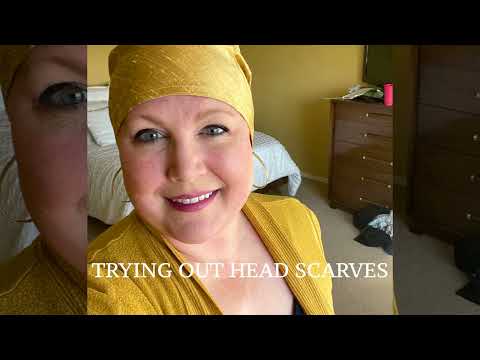
🎥 Candis’s Story: Hear how one courageous woman faced cancer head-on with the support, care, and connection she found at GRH.
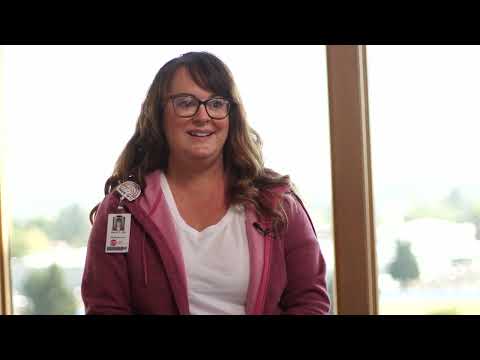
🎥 Rachel’s Story: RN Rachel Gomes shares what it means to provide world-class cancer care right here at home.